
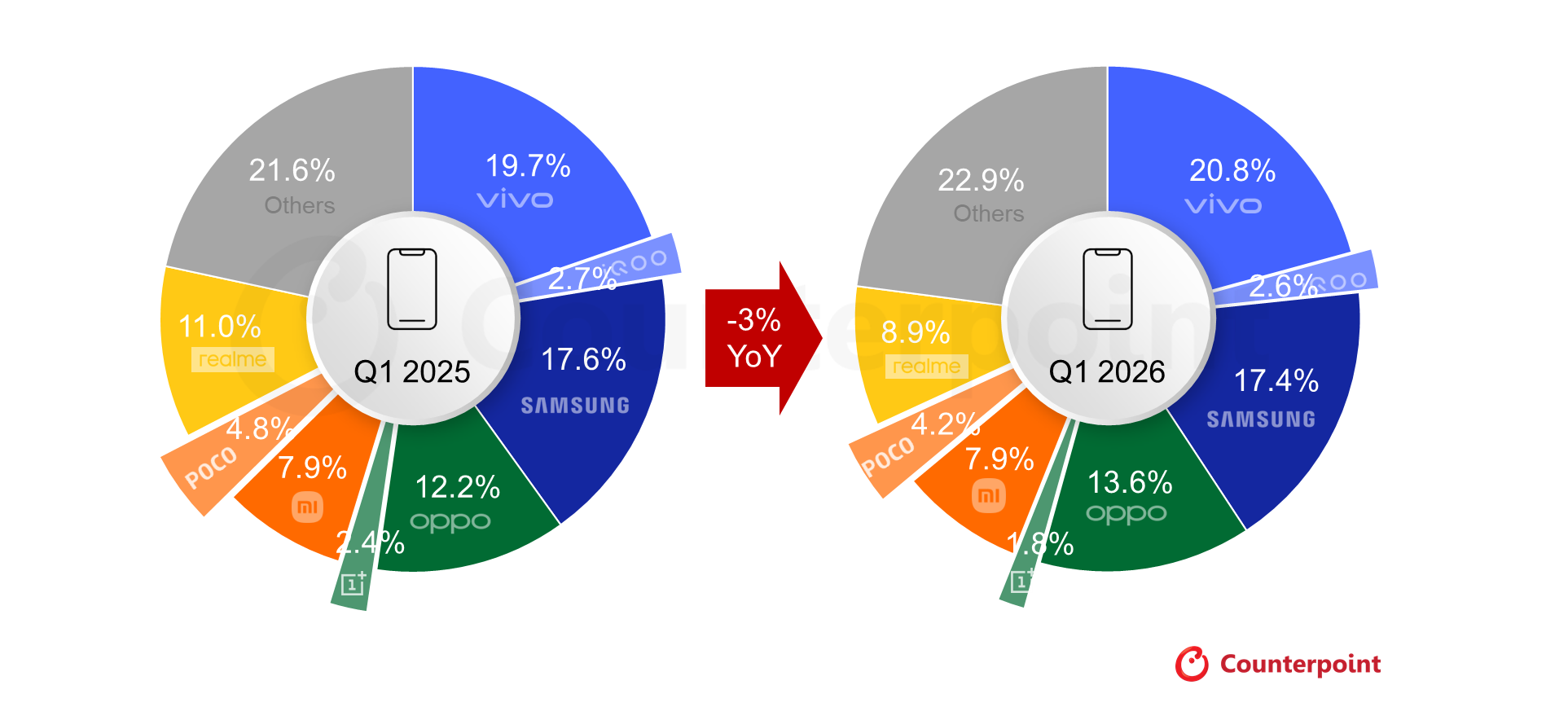
India’s smartphone market faced a challenging start to 2026, registering a 3% year-on-year decline in Q1, according to a report by Counterpoint Research. This marks the weakest first quarter in six years, signaling deeper structural issues in the market despite an increase in product launches.
The slowdown reflects a mix of rising component costs, pricing pressures, and weakened consumer demand, particularly in the entry-level segment. However, amid this downturn, brands like Nothing have managed to stand out with impressive growth, highlighting a shift in consumer preferences.
Key Highlights
India smartphone shipments declined 3% YoY in Q1 2026
Entry-level segment (below ₹15,000) hit hardest due to price sensitivity
Average smartphone prices increased by over ₹1,500
Over 80 models saw price hikes averaging 15%
Nothing recorded 47% YoY growth, fastest in the market
Premium segment remains relatively stable
Further 15–20% price increase expected in Q2 2026
Market Overview: Why the Decline Happened
Rising Costs and Affordability Challenges
The primary reason behind the decline is a growing affordability squeeze. Smartphone prices have surged due to:
Increasing memory and component costs
Currency fluctuations affecting import expenses
Rising Bill of Materials (BOM) costs
Higher energy and household expenses
Consumers are becoming more cautious with spending, prioritizing essential needs over smartphone upgrades. This has led to longer replacement cycles, especially in budget-conscious segments.
Weak Demand in Entry-Level Segment
The sub-₹15,000 category—traditionally the backbone of India’s smartphone market—has been significantly impacted. Even a modest price increase can influence buying decisions in this highly price-sensitive segment.
Shipment Trends and Pricing Pressure
Price Hikes Across the Board
More than 80 smartphone models experienced an average price increase of around 15% in Q1 2026, with expectations of further hikes in the coming quarter.
Memory prices alone are projected to rise by 80–85% sequentially, adding further strain on manufacturers and consumers alike.
Early Launch Strategy by OEMs
To counter rising costs, brands accelerated launches into Q1, with nearly one-third of new models introduced earlier than planned. This strategy aimed to manage inventory and mitigate future cost escalations.
@counterpointresearch
Brand Rankings in Q1 2026
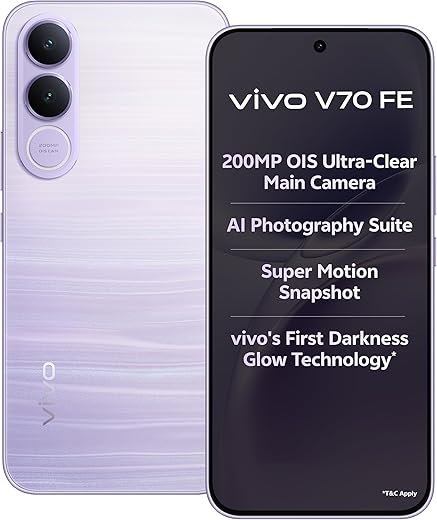
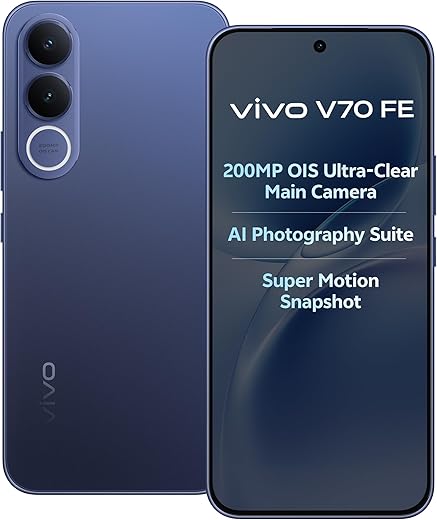
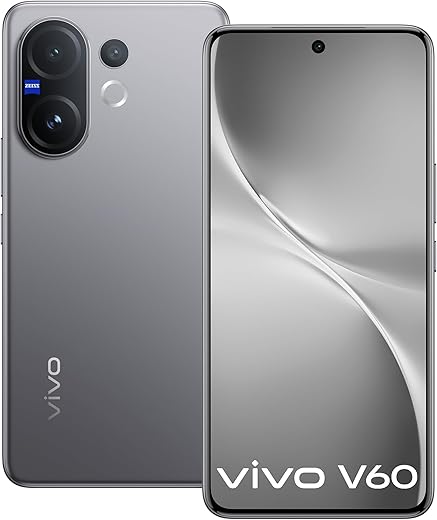
vivo Leads the Market
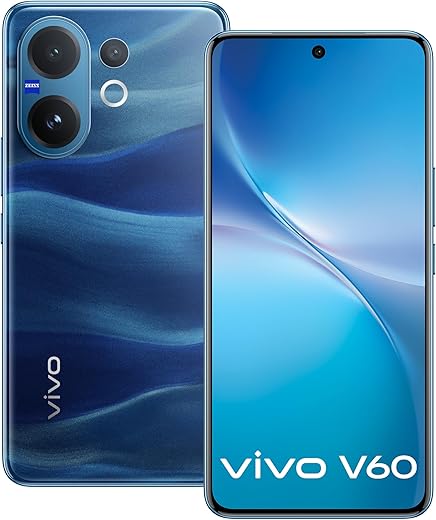
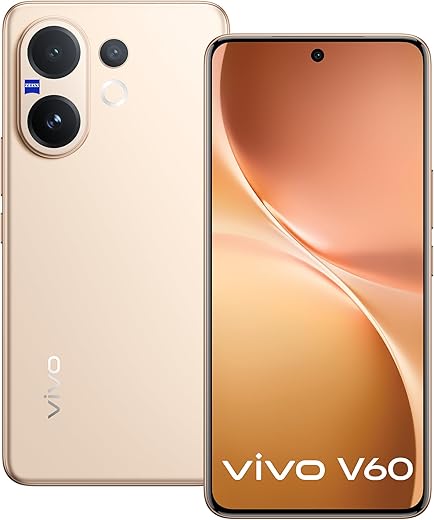
vivo secured the top position with a 21% market share, driven by:
Strong mid-premium portfolio (especially V series)
Aggressive product launches
Effective channel execution
Samsung Holds Second Place
Samsung maintained a strong position with consistent demand for its A-series lineup and early traction from flagship launches.
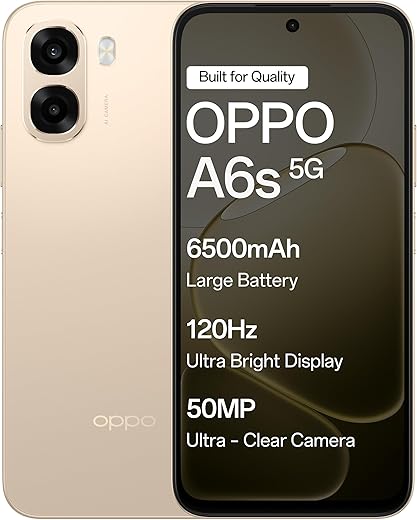
OPPO Becomes Fastest-Growing Top-Five Brand
OPPO ranked third with a 14% share, growing 8% YoY, fueled by:
Strong budget segment performance (A and K series)
Stable mid-range demand
Xiaomi Secures Fourth Position
Xiaomi (including POCO) showed improved retail performance, particularly in the ₹10,000–₹20,000 segment.
realme Dominates Online Channels
realme performed strongly online, especially in the mid-budget category, driven by competitive pricing and aggressive promotions.
Apple Expands Premium Share
Apple achieved a 9% market share, supported by strong demand for its latest iPhone lineup and attractive EMI and exchange offers.
Fastest-Growing Brands and Emerging Trends
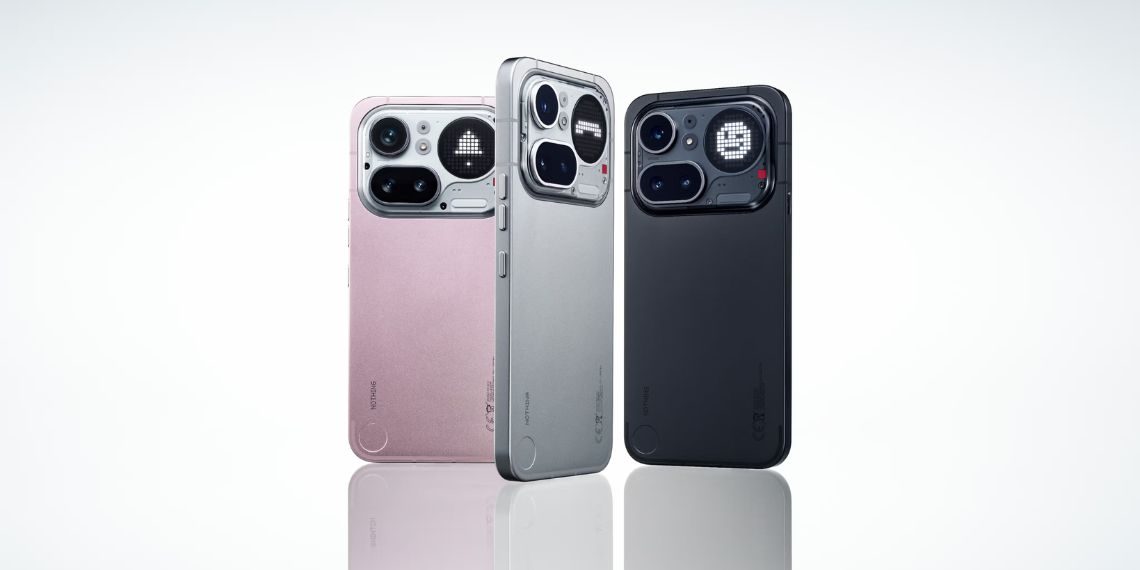
Nothing Leads Growth with 47% YoY
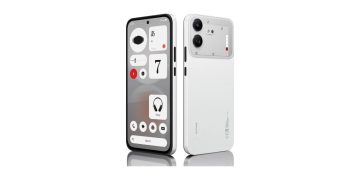
Nothing emerged as the fastest-growing smartphone brand, recording 47% year-on-year growth. Key drivers include:
Expansion into offline retail
Strong demand for its latest smartphone lineup
Unique design and software experience appealing to younger consumers
The brand’s ability to combine design innovation with competitive pricing has helped it gain traction even in a challenging market.
Google Gains in Premium Segment
Google saw 39% YoY growth in the premium segment, driven by:
AI-focused features
Increased brand visibility through major events
Strong ecosystem integration
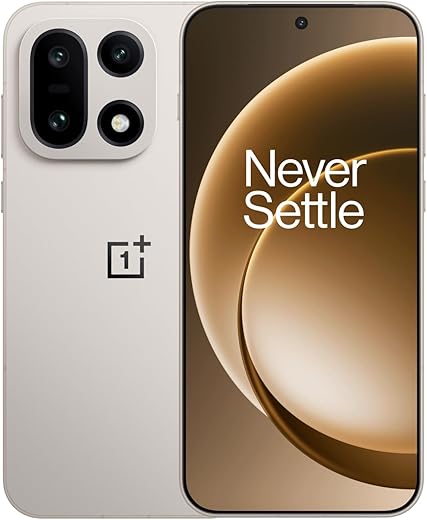
OnePlus Leads Affordable Premium Segment
OnePlus dominated the ₹30,000–₹45,000 segment, thanks to continued demand for its Nord series.
Chipset Market Trends
MediaTek Leads Overall Market
MediaTek held a 49% share in the chipset market, dominating across price segments.
Qualcomm Dominates Premium Segment
Qualcomm led the premium Android category, capturing over 50% market share in devices priced above ₹30,000.
Market Outlook for 2026
Short-Term Challenges
The Indian smartphone market is expected to remain under pressure in the near term, with Q2 2026 likely to see a double-digit decline.
Key concerns include:
Continued rise in memory prices
Ongoing geopolitical and economic uncertainties
Weak consumer sentiment in mass-market segments
Long-Term Trends
Despite current challenges, certain trends are expected to shape the future:
Premiumization will continue to drive growth
Brands will focus on AI features and differentiation
Improved channel efficiency and inventory management
Expansion of offline retail networks
Benefits and Key Takeaways
For Consumers
More innovation in mid-premium and premium segments
Better financing options (EMI, exchange offers)
Improved AI-powered features
For Brands
Opportunity to focus on value-driven innovation
Stronger emphasis on premium segments
Need for efficient pricing and supply chain strategies
Conclusion
The 3% decline in India’s smartphone market in Q1 2026 highlights a critical shift driven by affordability challenges and rising costs. While the entry-level segment struggles, the premium and mid-premium categories continue to show resilience, reshaping the industry landscape.
Brands like Nothing are proving that innovation, design, and strategic expansion can drive growth even in a slowing market. As the year progresses, the focus will likely remain on premiumization, AI integration, and smarter pricing strategies.
Although short-term pressures persist, the Indian smartphone market still holds strong long-term potential, with gradual recovery expected as economic conditions stabilize.
Follow Before You Take on:
Latest Technology News | Updates | Latest Electric Vehicle News | Updates | Electronics News | Mobile News | Updates | Software Updates
📌 Facebook | 🐦 Twitter | 📢 WhatsApp Channel | 📸 Instagram | 📩 Telegram | 💬 Threads | 💼 LinkedIn | 🎥 YouTube
🔔 Stay informed, Stay Connected!