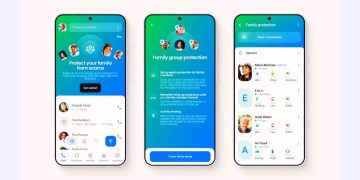


The Government of India has taken a significant step forward in modernizing digital identity verification by launching a new Aadhaar mobile app that eliminates the need for physical Aadhaar cards or printed photocopies. The app enables secure, real-time, and face-based authentication, redefining how Aadhaar data is shared and verified across various public and private platforms.
Key Highlights
No more physical Aadhaar cards or photocopies required
Facial recognition (Face ID) for identity authentication
QR code-based Aadhaar verification similar to UPI payments
User-controlled data sharing with strong privacy safeguards
Beta version available; full rollout expected soon
Official Launch by Union IT Minister
The app was formally launched by Union Minister of Electronics and IT, Ashwini Vaishnaw, who described the initiative as a “privacy-first digital convenience tool.” In a video shared on social media platform X (formerly Twitter), the minister emphasized that the Aadhaar system is entering a new phase of digital empowerment, backed by cutting-edge biometric technology and privacy-by-design principles.
“No more Aadhaar photocopies at hotel desks or while traveling. Aadhaar verification is now as easy as a UPI scan,” the minister remarked.
Face ID Authentication: Fast, Secure, and Contactless
One of the app’s standout features is its Face ID-based authentication system. This feature allows users to verify their identity simply by using their smartphone’s front-facing camera—no physical documents, no OTPs, no biometric devices required.
This face-based system, powered by advanced AI and image processing, ensures accurate and tamper-proof identification. It’s ideal for frequent use in settings like:
Hotel check-ins
Airport security checks
Government offices
Financial services
Retail stores and e-commerce deliveries
Aadhaar QR Code: Instant Sharing and Verification
The app also introduces a dynamic Aadhaar QR code mechanism. Users can generate and share a scannable Aadhaar QR that instantly verifies identity—similar to how UPI QR codes facilitate payments. This minimizes over-sharing of personal data, giving users greater control and transparency in every transaction.
Enhanced Privacy and Security Features
The app has been built with a privacy-first architecture. Unlike traditional Aadhaar use where physical copies can be copied or misused, the app ensures that:
Users share only essential data
Data cannot be modified or tampered with
Verification logs are encrypted and secure
No third-party access to personal data without user consent
All user activity is digitally signed and timestamped, making misuse or forgery nearly impossible.
Part of India’s Expanding Digital Public Infrastructure (DPI)
Minister Vaishnaw called the Aadhaar app a new pillar of India’s growing Digital Public Infrastructure (DPI), alongside platforms like UPI, DigiLocker, and CoWIN. He also encouraged Indian developers and businesses to contribute to DPI by integrating AI technologies with strong privacy safeguards.
This aligns with India’s vision of creating a secure, scalable, and inclusive digital ecosystem, where digital identity becomes a trusted enabler of services—not a vulnerability.
Beta Phase and Availability
The Aadhaar mobile app is currently in its beta testing phase, with a stable release expected in the coming weeks. The government has not yet shared a fixed rollout timeline, but early access may be available through official portals and select app stores.
Users can expect Android and iOS versions, along with integration into future government service apps.
Conclusion:
The launch of the new Aadhaar mobile app marks a transformational shift in identity verification in India. With facial recognition, QR-based data sharing, and total user control, Aadhaar is now more secure, private, and accessible than ever before. As India continues to strengthen its digital backbone, innovations like these will play a crucial role in ensuring secure, convenient, and inclusive governance for all.
Follow Before You Take on:
Latest Technology News | Updates | Latest Electric Vehicle News | Updates | Electronics News | Mobile News | Updates | Software Updates
📌 Facebook | 🐦 Twitter | 📢 WhatsApp Channel | 📸 Instagram | 📩 Telegram | 💬 Threads | 💼 LinkedIn | 🎥 YouTube
🔔 Stay informed, Stay Connected!