
The global smartphone market is set for a modest rebound in 2025, with shipments projected to grow 1.5% year-on-year (YoY) to reach 1.25 billion units, according to the latest IDC Worldwide Quarterly Mobile Phone Tracker. This marks a slight improvement from IDC’s earlier forecast of 1% growth, signalling stabilisation across major markets and renewed momentum driven by premium device demand.
@IDC
However, the recovery is expected to be short-lived. IDC forecasts that smartphone shipments will decline again in 2026, dropping by 0.9% as component shortages, rising memory prices, and product cycle disruptions begin to affect global supply and demand.
Key Points
Global smartphone shipments expected to grow 1.5% YoY in 2025
Apple to see 6.1% YoY shipment growth in 2025, revised upward from 3.9%
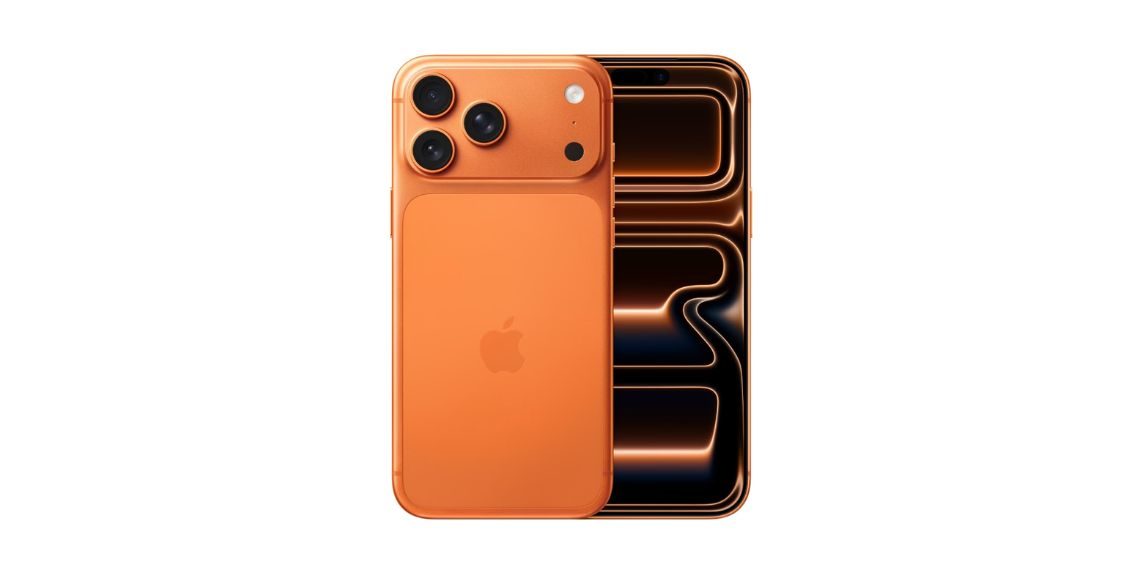
iPhone 17 series driving Apple toward a record 247 million shipments
China sees Apple reclaim No.1 spot for Oct–Nov with 20%+ market share
2026 forecast revised downward to –0.9% due to memory shortages and delays
Global smartphone market value projected to rise to $578.9 billion
ASP forecast increases to $465, driven by rising component costs
Apple Leads Market Momentum Heading into 2025
Apple continues to outperform expectations, with IDC revising its 2025 shipment forecast upward to 6.1% growth, significantly higher than the earlier projection of 3.9%.
According to Nabila Popal, Senior Research Director at IDC:
“Apple is set to have a record year in 2025 with shipments forecast to cross 247 million units, thanks to the phenomenal success of its latest iPhone 17 series.”
This optimistic update is largely influenced by Apple’s strong performance in China. IDC’s China Monthly Sales data shows that Apple captured over 20% market share in October and November, ranking first in the region. As a result, IDC revised Apple’s China Q4 forecast from 9% to 17% YoY, reversing an earlier projected 1% decline into a 3% growth estimate.
In Western Europe and the United States, Apple also continues to show resilience, supported by stable demand for premium devices and strong ecosystem loyalty.
With the iPhone 17 lineup accelerating global sales, Apple’s revenue for 2025 is projected to exceed $261 billion, representing a 7.2% YoY increase.
Market Outlook for 2026: Supply Constraints and Pricing Pressure
Despite the recovery projected for 2025, IDC forecasts a decline in smartphone shipments in 2026, revising its earlier prediction of 1.2% growth to a 0.9% drop. A mix of supply chain disruptions and product cycle delays are key contributing factors.
One major challenge is the global memory component shortage, which is expected to affect production costs and availability across the industry. The shortage will disproportionately affect low- and mid-range Android smartphones, which rely heavily on affordable DRAM and NAND components.
Anthony Scarsella, Research Director at IDC, stated:
“As memory components become more limited and more expensive, manufacturers face increasing pressure to raise prices. Vendors may raise prices or adjust their portfolio toward higher-margin models to absorb memory cost impacts.”
Additionally, the base iPhone model scheduled for late 2026 has reportedly been delayed to early 2027, leading to a projected 4.2% decline in iOS shipments for that year.
Market Value Remains Strong Despite Shipment Decline
Even with fewer units expected to ship in 2026, the global smartphone market is projected to hit a new valuation record. IDC forecasts the average selling price (ASP) of smartphones to rise to $465, driven by:
Higher component costs
Increased demand for premium and flagship devices
Strategic portfolio shifts by major manufacturers
This price uplift is expected to push the total global market value to $578.9 billion, maintaining record levels even as shipment volumes decrease.
Conclusion
IDC’s latest projections indicate a mixed outlook for the global smartphone industry. While 2025 marks a return to growth, fuelled by strong Apple demand and recovery in key markets, 2026 brings renewed challenges due to component shortages, shifting product cycles, and margin pressures.
Despite these fluctuations, rising smartphone prices and growing demand for premium technologies will continue to sustain the market’s overall financial strength. As manufacturers navigate these complexities, strategic pricing, supply chain management, and innovation—particularly in AI and premium device categories—will play a critical role in shaping the next wave of global smartphone growth.
Follow Before You Take on:
Latest Technology News | Updates | Latest Electric Vehicle News | Updates | Electronics News | Mobile News | Updates | Software Updates
📌 Facebook | 🐦 Twitter | 📢 WhatsApp Channel | 📸 Instagram | 📩 Telegram | 💬 Threads | 💼 LinkedIn | 🎥 YouTube
🔔 Stay informed, Stay Connected!