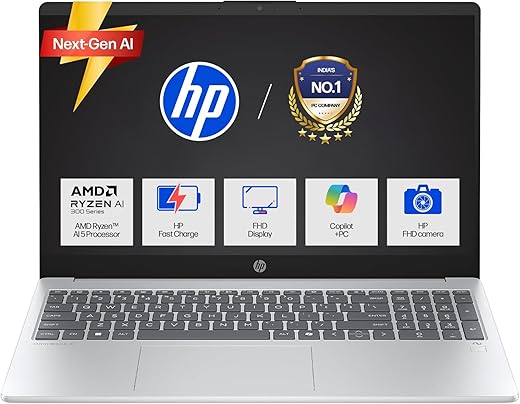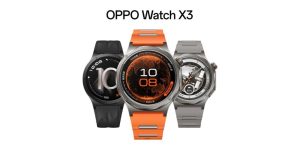


As 2026 begins, consumers hoping to upgrade their smartphones or laptops may be in for an unpleasant surprise. Industry signals suggest that prices across the consumer electronics market are poised for a sharp rise potentially by 20 to 30 percent over the coming months. Unlike routine inflation-driven increases, this surge is being fueled by a deeper, more structural problem: a global shortage of memory, especially RAM.
From flagship smartphones to everyday laptops, rising component costs are forcing manufacturers into a tough corner either raise prices significantly or compromise on hardware specifications. And early signs indicate that price hikes are already underway.
The Root of the Problem: A Global RAM Shortage
At the center of this pricing crisis lies RAM (Random Access Memory) one of the most critical components in any computing device. Whether it’s a smartphone, laptop, tablet, or server, RAM plays a vital role in ensuring smooth performance by temporarily storing data that a system is actively using.
In recent months, RAM supply has tightened dramatically. Major manufacturers such as Samsung, SK Hynix, and Micron, which collectively dominate global memory production, are struggling to keep up with demand. The result is a sharp spike in RAM prices, with some estimates suggesting costs have risen three to five times compared to early 2025 levels.
Why RAM Matters More Than Ever
RAM directly impacts how fast and responsive a device feels. More RAM allows users to multitask smoothly, run heavier applications, and enjoy better long-term performance. This is why manufacturers constantly push higher RAM configurations as selling points.
However, not all RAM is the same. The current crisis is especially linked to a specific type called High Bandwidth Memory (HBM)—a premium form of RAM designed for extreme data throughput rather than everyday consumer use.
AI Is Reshaping the Memory Market
The explosive growth of artificial intelligence is a key driver behind the RAM shortage. AI models powering tools like ChatGPT, Google Gemini, and enterprise-level data analytics systems rely heavily on HBM to process massive volumes of data efficiently.
AI companies, backed by enormous funding, are aggressively securing memory supplies—often at premium prices. As a result:
RAM manufacturers are prioritising HBM production
Regular consumer-grade RAM (DDR and GDDR) is being produced in lower volumes
Prices for standard RAM used in phones and laptops are soaring
In short, AI infrastructure is outbidding consumer electronics for memory supply.
Laptop Makers Sound the Alarm
The impact is already visible. Major PC brands have begun formally announcing price hikes:
Dell
Dell reportedly informed retail partners that laptop prices for 2026 could rise between 10 and 30 percent, citing unprecedented increases in component costs. Company executives have publicly acknowledged that demand for key parts is far exceeding supply.
Asus
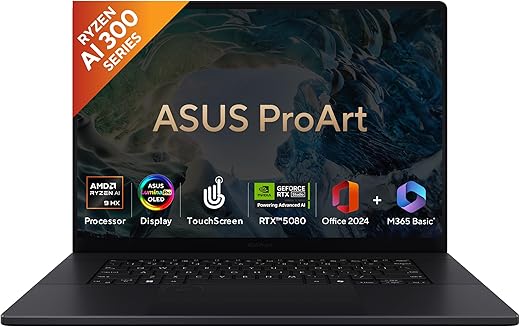
Asus has been even more direct. In a communication to partners, the company explicitly blamed RAM and storage shortages for upcoming price adjustments starting January 2026. While specific figures weren’t disclosed, industry expectations place Asus’s hikes in a similar range to Dell’s.
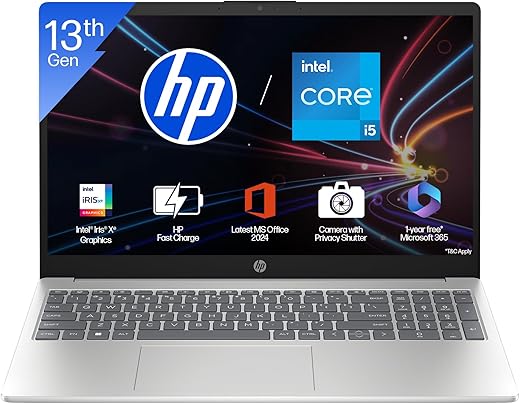
With Dell and Asus leading the way, it’s widely expected that Lenovo, Acer, HP, and others will follow suit.
Smartphones Won’t Be Spared Either
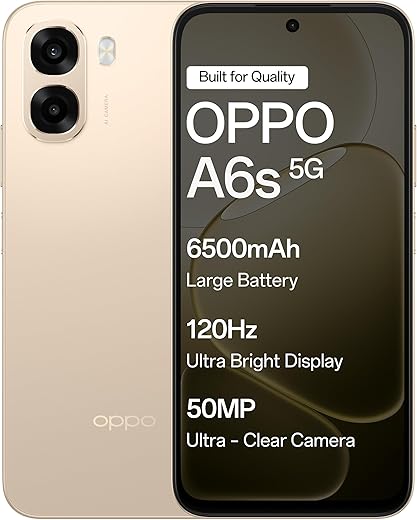
The smartphone market is facing the same pressure. RAM chips used in phones are sourced from the same constrained supply chain. While phone brands have so far avoided openly discussing price hikes, subtle signals are emerging.
For example, recent flagship pricing has been described by companies as an “achievement” despite rising component costs—suggesting that margins are already under stress. As RAM prices continue climbing through 2026, manufacturers will have limited room to absorb costs without passing them on to consumers.
This means future phones may either:
Become noticeably more expensive, or
Offer lower RAM and storage at similar price points
Why Prices May Keep Rising Through 2026
The RAM shortage is not a short-term disruption. Several factors indicate that high prices could persist well into 2026:
Limited number of global RAM manufacturers
Slow expansion of fabrication capacity
Continued explosive growth in AI and data centres
Long-term supply contracts favouring large AI firms
Industry analysts believe some relief may come only by mid-to-late 2027, once new manufacturing capacity comes online and supply chains rebalance.
Should You Buy a Phone or Laptop Now?
If you are planning an upgrade and have the budget, buying sooner rather than later may be a smart move.
Waiting could mean:
Paying significantly higher prices
Seeing fewer discounts and sales
Settling for devices with reduced RAM or storage
While promotions won’t disappear entirely in 2026, they are expected to be less aggressive, as brands struggle to protect margins amid rising costs.
What This Means for Consumers
For buyers, the choice in 2026 may come down to:
Paying more for the same specs, or
Accepting lower configurations at familiar prices
Unfortunately, there’s little consumers can do to escape this cycle in the short term. The RAM shortage is squeezing the entire industry—from manufacturers to end users.
Final Thoughts
2026 is shaping up to be a challenging year for anyone shopping for electronics. What’s driving prices higher isn’t just inflation, but a fundamental shift in how critical components like RAM are allocated—largely in favour of AI.
Until supply stabilises, smartphones and laptops are likely to remain expensive, with limited room for relief. For now, awareness and timing may be the only tools consumers have to soften the blow.
Follow Before You Take on:
Latest Technology News | Updates | Latest Electric Vehicle News | Updates | Electronics News | Mobile News | Updates | Software Updates
📌 Facebook | 🐦 Twitter | 📢 WhatsApp Channel | 📸 Instagram | 📩 Telegram | 💬 Threads | 💼 LinkedIn | 🎥 YouTube
🔔 Stay informed, Stay Connected!