
The global smartphone industry is heading toward a potential slowdown in 2026, as rising memory prices and higher component costs begin to reshape manufacturing strategies and consumer pricing. According to a revised forecast by market research firm Counterpoint Research, worldwide smartphone shipments are expected to contract slightly next year, signalling a shift after years of post-pandemic recovery.
This projection comes at a time when leading smartphone brands are already increasing prices for flagship devices, and mid-range and budget segments are facing growing cost pressures due to shortages of critical components such as DRAM.
Counterpoint Research Revises Global Shipment Outlook
In its updated Global Smartphone Shipment Tracker and Forecast, Counterpoint Research estimates that global smartphone shipments could decline by around 2.1 percent in 2026. The downward revision is primarily attributed to a tightening supply of memory components and a sharp increase in the overall bill of materials (BoM).
According to MS Hwang, Director at Counterpoint Research, the impact of rising costs will not be evenly distributed across the market. Entry-level and budget smartphones are expected to be hit the hardest, as manufacturers in this segment operate on extremely thin margins and have limited room to absorb higher input costs.
Budget Smartphones Face the Greatest Risk
Devices priced below $200 are likely to experience the most severe impact from rising component prices. Counterpoint Research notes that BoM costs rose by approximately 20 to 30 percent at the beginning of 2025, driven largely by higher memory prices, display costs, and supply-chain constraints.
While premium smartphones have already seen price hikes of 10 to 15 percent, budget devices have so far been partially shielded due to aggressive cost control. However, with component prices continuing to rise, manufacturers may soon be forced to either raise prices or compromise on specifications, potentially reducing demand in price-sensitive markets.
Memory Shortages Intensify as AI Demand Grows
One of the biggest challenges facing smartphone manufacturers is the increasing diversion of DRAM supplies toward the generative AI industry. Data centres, AI accelerators, and enterprise computing systems are consuming a growing share of global memory production, leaving fewer DRAM units available for consumer electronics.
Counterpoint Research predicts that memory prices could rise by an additional 40 percent by the second quarter of 2026. If this happens, the overall cost of materials for smartphones could increase by another 8 percent, or even exceed 15 percent compared to already elevated levels.
This trend poses a long-term challenge for smartphone makers, especially as higher RAM capacities have become a key selling point for modern devices.
Chinese OEMs See the Biggest Shipment Revisions
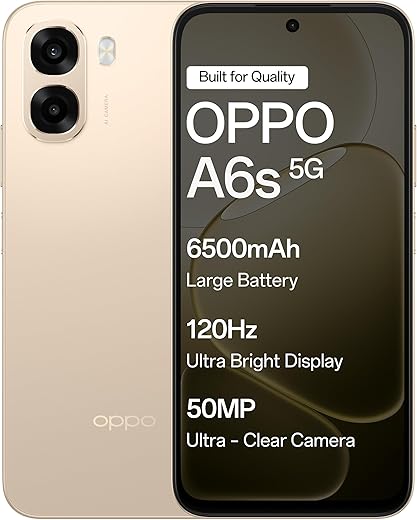
While rising costs will affect the entire industry, Counterpoint Research highlights that shipment estimates for major Chinese smartphone brands — including Honor, Oppo, and Vivo — have been revised most significantly.
These brands have strong exposure to the mid-range and budget segments across Asia, Africa, and parts of Europe. As price sensitivity remains high in these regions, even small increases in retail pricing could lead to weaker demand and lower shipment volumes.
OEMs Explore Cost-Cutting Measures to Protect Margins
To cope with rising input costs, smartphone manufacturers are actively exploring ways to protect profitability without aggressively increasing retail prices. Recent reports suggest that several OEMs are considering scaling back high-memory variants, including plans to discontinue 16GB RAM models in certain markets.
At the same time, some brands may reintroduce lower-memory configurations, such as 4GB RAM variants, especially in entry-level devices. While this strategy could help control costs, it may also affect user experience and long-term device performance, particularly as apps and operating systems become more resource-intensive.
Flagship Price Hikes Signal a Broader Industry Trend
The pressure on component pricing is already visible in the premium segment. Recently launched flagship smartphones such as the OnePlus 15 and iQOO 15 debuted at noticeably higher prices than their predecessors. Reports also suggest that Samsung is considering price increases for its upcoming Galaxy S26 series, expected to launch in early 2026.
These developments indicate that rising memory and component costs are no longer isolated issues but part of a broader structural challenge facing the smartphone industry.
What This Means for the Smartphone Market in 2026
If current trends continue, 2026 could mark a period of consolidation for the global smartphone market. Slower shipment growth, fewer high-spec variants, and higher average selling prices may become the norm, particularly as AI-driven demand continues to strain component supplies.
For consumers, this could translate into higher prices and fewer choices in the budget segment. For manufacturers, the focus may shift toward operational efficiency, tighter product portfolios, and strategic pricing rather than aggressive volume expansion.
Conclusion
The revised forecast from Counterpoint Research highlights a critical inflection point for the smartphone industry. With RAM shortages, rising BoM costs, and growing competition from AI-driven sectors, manufacturers face mounting pressure to balance innovation, affordability, and profitability.
As the industry moves into 2026, budget smartphones appear most vulnerable, while mid-range and premium devices may continue to climb in price. How OEMs adapt to these challenges will play a decisive role in shaping the next phase of the global smartphone market.
Follow Before You Take on:
Latest Technology News | Updates | Latest Electric Vehicle News | Updates | Electronics News | Mobile News | Updates | Software Updates
📌 Facebook | 🐦 Twitter | 📢 WhatsApp Channel | 📸 Instagram | 📩 Telegram | 💬 Threads | 💼 LinkedIn | 🎥 YouTube
🔔 Stay informed, Stay Connected!